
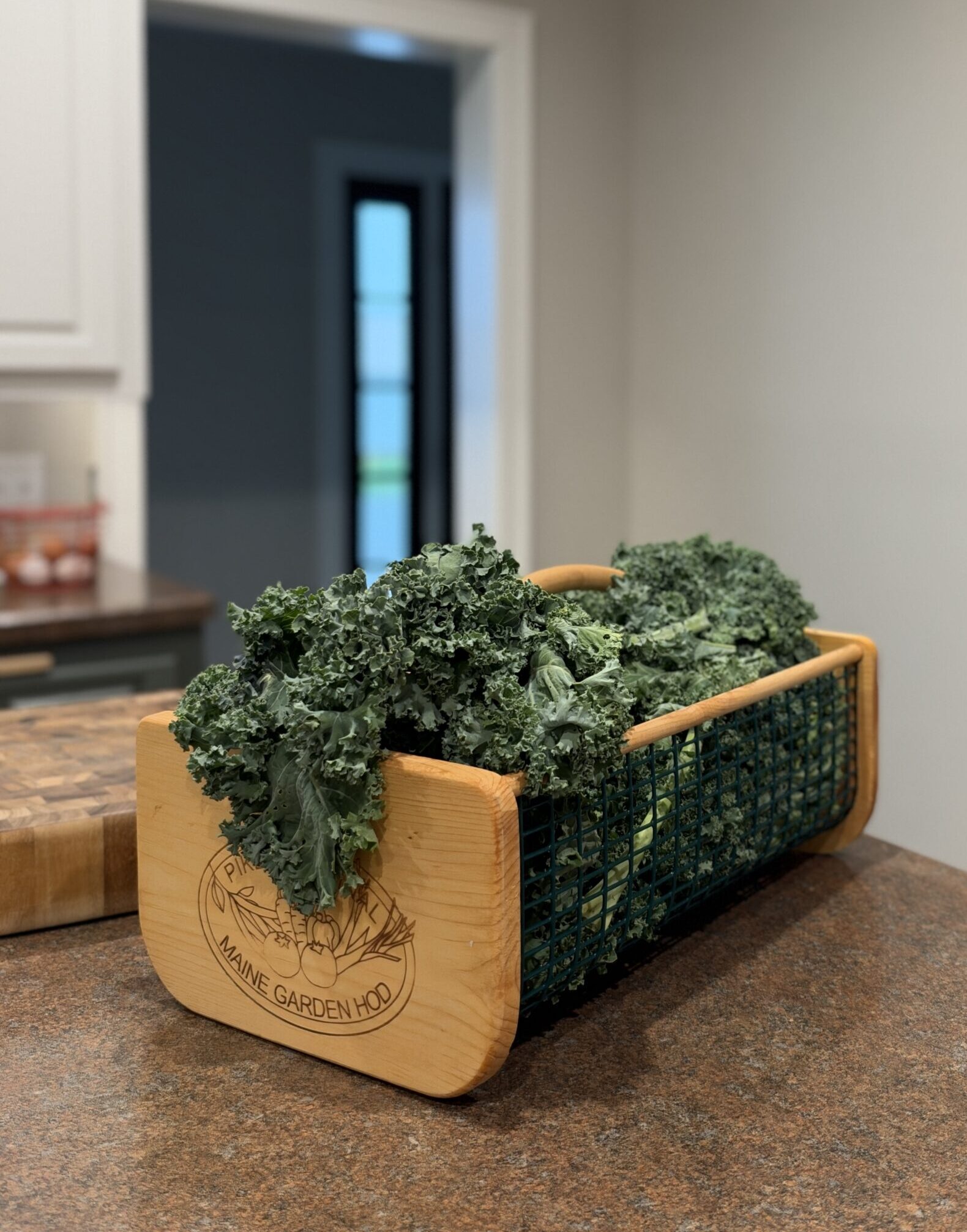
How to Freeze Kale from Your Garden
Making the Most of Your Kale Harvest
We love kale in our eggs, in salads, in soups, and smoothies. I mean, is there any where that kale doesn’t add value? Our love for kale means we grow A LOT of it in the garden. I intentionally grow enough for us to eat fresh all season. I also make sure to grow plenty to preserve to keep the kale party going all winter long. Knowing how to freeze kale by using the method of steam blanching is key to preserving the quality of your homegrown kale. As the growing season winds down, freezing some of our harvest means we can enjoy homegrown kale in meals all winter long
A sharp knife and a pot to steam it in are enough, plus a container to store kale after freezing.
Affiliate Disclosure: This post contains affiliate links. If you purchase through these links, I may earn a commission at no additional cost to you. As an Amazon Associate I earn from qualifying purchases.
Why Freeze Kale?
- Preserve your garden harvest rather than letting extra kale go to waste.
- Have kale ready to add to soups, stews, casseroles, eggs, and other cooked dishes.
- Save freezer space by blanching and compressing the leaves.
- Portion the kale in advance so you can grab just what you need.
- Have convenient portions ready to use without thawing an entire bag.
What You’ll Need
- Fresh kale
- Water for washing and blanching
- A pot with a steamer basket and lid
- A colander
- Muffin cups, a muffin pan or Souper Cube molds for making pucks
- Vacuum-seal bags and a vacuum sealer
- Measuring cup
- Freezer-safe storage bags or containers, if needed
Step-by-Step: Preparing Kale for the Freezer


- Harvest and sort. Choose fresh, healthy leaves. Discard damaged or diseased leaves.
- Remove the ribs. Strip the leafy portions from the thick stems. (save the ribs for your chickens!)
- Wash thoroughly. Rinse the leaves to remove dirt and debris.
- Blanch. Steam-blanch the kale for 3 minutes, starting the timer once the covered steamer is in place.
- Cool and drain. Remove the kale from the steamer and spread it out in a colander or another container to cool. Allow excess steam and heat to escape, then drain thoroughly before portioning.
- Drain thoroughly. Remove excess water before portioning. A salad spinner or gentle squeezing can help. The goal is to remove as much moisture as practical before freezing
Two Ways we like to Freeze Kale
Method 1: Freeze Kale in One-Cup Portions
- Measure the prepared kale into one-cup portions.
- Pack it firmly into the mold.
- Freeze until solid.
- Remove the frozen pucks and transfer them to a vacuum seal freezer bag.
- Store in the freezer.


NOTE: In my experience, One puck represents approximately two cups of fresh kale.
(This is my kitchen’s approximate portion size rather that a universal measurement.)
Also, if you freeze the kale in a metal muffin pan, you may need to line it with parchment of saran first or let the bottom warm slightly to release the pucks. Silicone muffin cups can make removal easier.
Method 2: Vacuum-Seal Frozen Kale Portions
- Measure the prepared kale into portions.
- Remove as much excess moisture as possible.
- Place the kale in vacuum-seal bags.
- I like to place a folded paper towel across the top of the kale so that the vacuum won’t suck all the juices out.
- Seal according to the vacuum sealer’s instructions.
- Label and date each bag before freezing.


A practical tip: Keep the amount in each bag consistent with how you expect to use it. Smaller portions can be more convenient when you only need kale for one meal.
If your vacuum sealer has a moist-food setting, follow the manufacturer’s instructions for using it with blanched vegetables.
How to Use Frozen Kale
- Homemade soups and stews
- Casseroles
- Egg dishes and frittatas
- Pasta dishes
- Smoothies, if you prefer using kale that way
- Sautéed vegetable dishes
Frozen kale will be softer than fresh kale after thawing, so it is generally best suited to cooked dishes rather than fresh salads.
In most cooked recipes, you can add frozen kale directly to the dish. If a recipe requires a specific texture or moisture level, thaw and drain it first.
How to Store Frozen Kale
I recommend keeping the kale in a well-maintained freezer at 0°F (-18°C) or below. Be sure to label and date the packages.
For best quality, aim to use frozen vegetables within approximately 8–12 months, following appropriate storage practices.
Frequently Asked Questions
- Do you have to blanch kale before freezing it? Yes, blanching slows down the enzymes, keeping your kale fresher longer.
- Can you freeze kale without vacuum sealing? Yes! If you freeze it in a Ziploc type bag, just try to get as much air out as you can to reduce freezer burn.
- Can you freeze kale in muffin cups? I would not use the muffin cups for long term storage, but the kale can absolutely go through its initial “flash freeze” in the muffin cups.
- How much fresh kale does one puck represent? I have typically equated one packed cup to 2 cups fresh.
- Can you cook with kale straight from the freezer? Yes, it works beautifully. However, you may want to thaw it to avoid overcooking.
- How long does frozen kale last? It will last for 8-12 months if kept frozen.
Most importantly: Use what you have, preserve the harvest now while it is at it’s freshest, and make meals a little easier. Your future self will thank you! 🙂


